
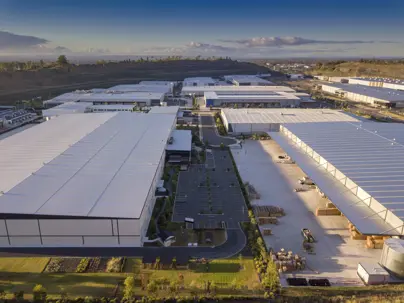
Maintaining a commercial property involves constant attention to detail, but the electrical system is often tucked away and forgotten until something goes wrong. As the seasons change, shifting temperatures and increased power demands can put extra stress on older wiring and components. Identifying small warning signs early is the most effective way to prevent a minor glitch from turning into a major operational shutdown. Being proactive about your facility's power health ensures a safe environment for both your employees and your customers.
1. Flickering or Dimming Lights
When lights flicker or dim unexpectedly, it is rarely just an issue with a single bulb. In a commercial setting, this often indicates that the electrical system is struggling to provide enough voltage to the fixtures. This usually happens when large pieces of equipment, like an air conditioning unit or heavy machinery, kick on and "pull" power away from the rest of the building. This inconsistency can lead to premature wear on your lighting and sensitive office electronics.
These fluctuations are a clear sign that your current power distribution is not balanced correctly. Ignoring these dips in power can eventually lead to a complete circuit failure during peak business hours. Addressing the underlying connection issues ensures that your lighting remains steady and your equipment receives a constant, reliable stream of power.
2. Unusual Odors Near Outlets or Panels
One of the most urgent indicators of an electrical problem is a distinct smell, often described as burning plastic or an ozone-like scent. This odor is typically caused by the protective insulation on wires overheating due to high resistance or a loose connection. In a high-demand business environment, wires that run hot are a significant safety risk and can lead to damage within the walls.
If you or your staff notice these scents, it is important to identify the source immediately. Look for these specific physical indicators of heat damage:
- Discoloration or brown singe marks on the face of an outlet or switch.
- A wall surface that feels warm to the touch near a plug.
- A faint crackling or buzzing sound coming from behind the drywall.
Once these signs appear, the connection is already failing and requires professional attention to prevent a total loss of power to that section of your building. Replacing the damaged hardware and securing the wiring restores the integrity of the circuit.
3. Frequently Tripping Circuit Breakers
Circuit breakers are designed to shut off power when a line becomes overloaded, acting as a vital safety switch. While an occasional trip might happen, a breaker that frequently flips is a sign that the circuit is being asked to do more than it was designed for. For businesses, this often happens when new technology or machinery is added to an old infrastructure without making the necessary adjustments to the power supply.
Relying on a breaker that constantly trips creates constant interruptions and can damage the internal components of your electrical panel over time. Rather than simply flipping the switch back on, the root cause—usually an overloaded line or a short circuit—must be resolved. Ensuring your circuits are properly rated for your specific business equipment prevents these frustrating and costly work stoppages.
4. Buzzing Sounds from the Electrical Panel
A healthy electrical system should operate silently. If you hear a persistent buzzing or humming noise coming from your main service panel, it often indicates a loose wire or a breaker that is failing to trip despite a fault. This arc of electricity creates heat and noise, signaling that the internal components are under extreme stress.
This sound is a warning that the panel’s ability to protect your building is compromised. In a commercial setting where power demands are high, a noisy panel can lead to a sudden and complete loss of power to the entire facility. Having the internal connections tightened and faulty breakers replaced ensures that your facility's panel remains quiet and efficient.
5. Outdated or Tangled Wiring Systems
As businesses grow, they often add new outlets and equipment over time, sometimes leading to a spaghetti of tangled wires or outdated configurations. Older commercial buildings may still rely on aluminum wiring or systems that weren't built for the digital age. These aging systems struggle to keep up with the technical demands of modern servers, high-speed printers, and specialized tools.
A disorganized or aging wiring system is more prone to faults and is much harder to troubleshoot during an emergency. Modernizing the layout of your facility's power lines reduces resistance and improves the overall flow of electricity. A clean, updated electrical map makes future maintenance faster and keeps your operating costs more predictable.
Protecting Your Business Continuity
Keeping a commercial facility running smoothly requires a reliable and safe electrical foundation. Recognizing the red flags of a failing system allows you to address issues before they result in expensive repairs or dangerous conditions. A well-maintained system supports your team's productivity and ensures that your business can meet the demands of every season without interruption. Investing in the health of your infrastructure is an investment in the long-term success and safety of your community-based business.
At Carolina Voltage, we specialize in identifying and resolving these risks through professional commercial electrical repairs and commercial electrical inspections. Our vetted team provides the technical precision needed for complex commercial wiring and commercial electrical panels to keep your facility up to code. We focus on providing seamless solutions, such as dedicated circuit remediation and comprehensive system audits, to ensure your operations never miss a beat.
If you’ve noticed buzzing panels, flickering lights, or unusual odors in your building, don't wait for a total outage to take action. Connect with us online or call our team at (704) 327-0659 for a professional evaluation today.