
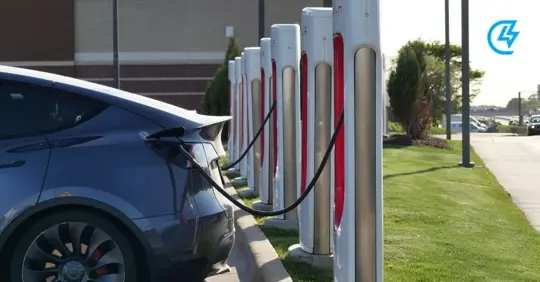
Electric vehicle (EV) adoption across North Carolina is accelerating rapidly. From Charlotte to Raleigh and along our major highway corridors, more drivers are relying on commercial and workplace charging infrastructure.
For NC business owners and commercial property managers, adding EV charging stations is a powerful way to attract premium customers, boost employee retention, and increase property value. However, installing commercial EV chargers involves significantly more than mounting hardware on a wall.
Before making the investment, here are the key technical, electrical, and safety considerations every North Carolina business should understand.
1. Assessing Your Electrical Capacity and Infrastructure
Commercial EV chargers (especially Level 2 and DC Fast Chargers) draw substantial electrical loads. Before purchasing equipment, a thorough assessment of your building’s existing electrical panel and service capacity is critical.
- Panel Capacity: Operating multiple chargers without sufficient panel headroom can cause constant breaker trips or severe overloads.
- Electrical Upgrades: Many commercial facilities require transformer upgrades, new subpanels, or elevated service levels from local utility providers like Duke Energy or EnergyUnited.
- Load Management Systems: Implementing smart load-management software can help balance energy distribution, preventing costly peak-demand charges while maximizing charging efficiency.
2. Choosing the Right Level of Charging
Selecting the appropriate charging level depends on how long vehicles typically park at your property:
- Level 2 Chargers (208V–240V): Best suited for workplaces, hotels, multi-family housing, and long-stay retail where vehicles remain parked for 2 to 8 hours. They offer an ideal balance of installation cost and practical charging speed.
- DC Fast Chargers (480V 3-Phase): Designed for high-turnover locations like highway travel plazas, gas stations, or fleet depots. These units deliver rapid charges in 20–45 minutes but require specialized, high-voltage electrical infrastructure and larger upfront investments.
3. Prioritizing Electrical Safety and Code Compliance
High-voltage equipment demands strict adherence to safety standards to protect your property, employees, and visitors from electrical hazards, short circuits, and fire risks.
- National Electrical Code (NEC) Compliance: Commercial EV installations must strictly adhere to NEC Article 625, which governs EV charging system supply equipment, safety shut-offs, and ventilation requirements.
- Permitting and Inspections: Local North Carolina municipalities require specific commercial electrical permits and mandatory inspections before energizing any charging system. Skipping these steps can invalidate insurance coverage and result in costly penalties.
- ADA Accessibility: Publicly accessible charging bays must comply with Americans with Disabilities Act (ADA) guidelines, ensuring accessible paths of travel, proper reach ranges, and designated stall dimensions.
4. Outdoor Weatherproofing and Durability
North Carolina weather ranges from humid summer heat to winter ice and coastal salt air. Installing commercial-grade, NEMA 3R or NEMA 4 rated equipment ensures your investment withstands local climate elements without compromising electrical safety or performance.
Partner with North Carolina’s Trusted Electrical Experts
Installing commercial EV charging stations is a strategic decision that demands certified expertise, precision engineering, and an uncompromising commitment to electrical safety. At Carolina Voltage, our licensed commercial electricians ensure your EV infrastructure is safe, fully compliant, and built to last.
Contact us today at (704) 327-0659 to schedule a comprehensive electrical assessment for your property.